Earthwise Regenerative Farming Certificate
British Columbia, Canada | Community Farm Development, Social Permaculture & Living Systems Design
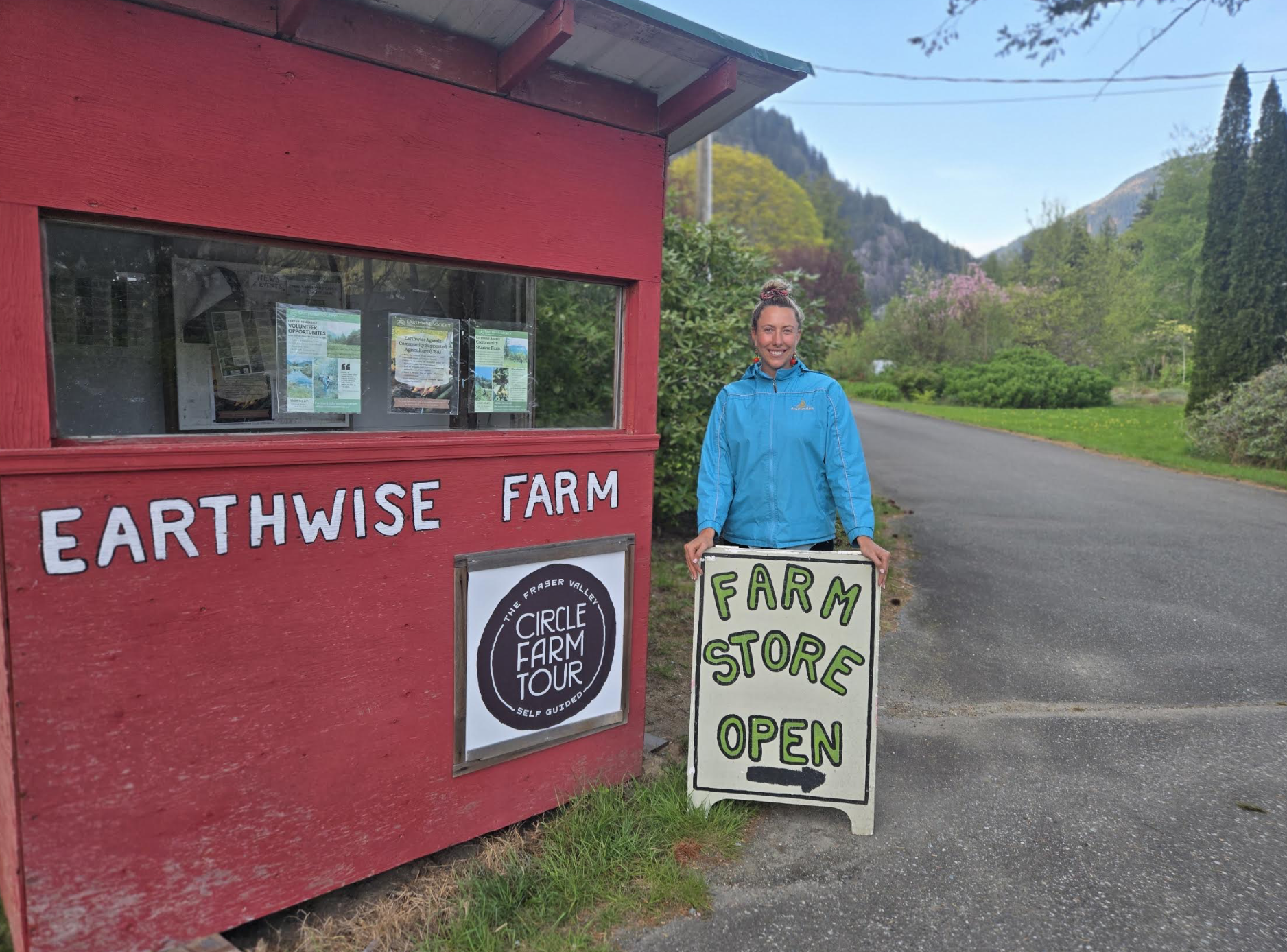
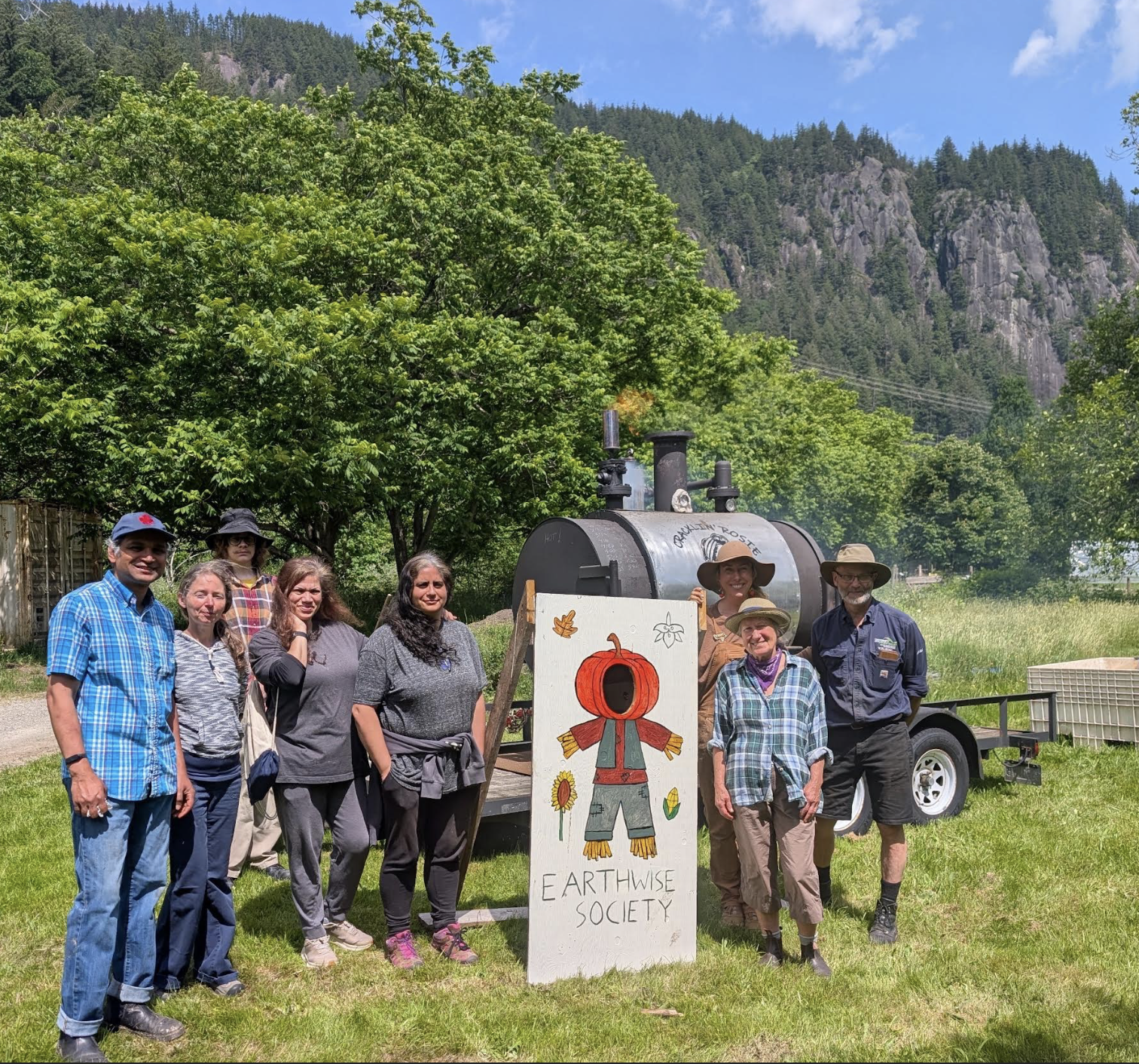
At Earthwise Society in Agassiz, British Columbia, I developed a Regenerative Farming Certificate as part of a broader process of activating the farm as a place of learning, participation, partnership and community wellbeing. For me, the certificate was never simply a curriculum or a credential. It was a way of beginning to recognise what a community farm can become when we stop seeing it only through the narrow lens of agricultural production and begin to understand it as living social infrastructure.
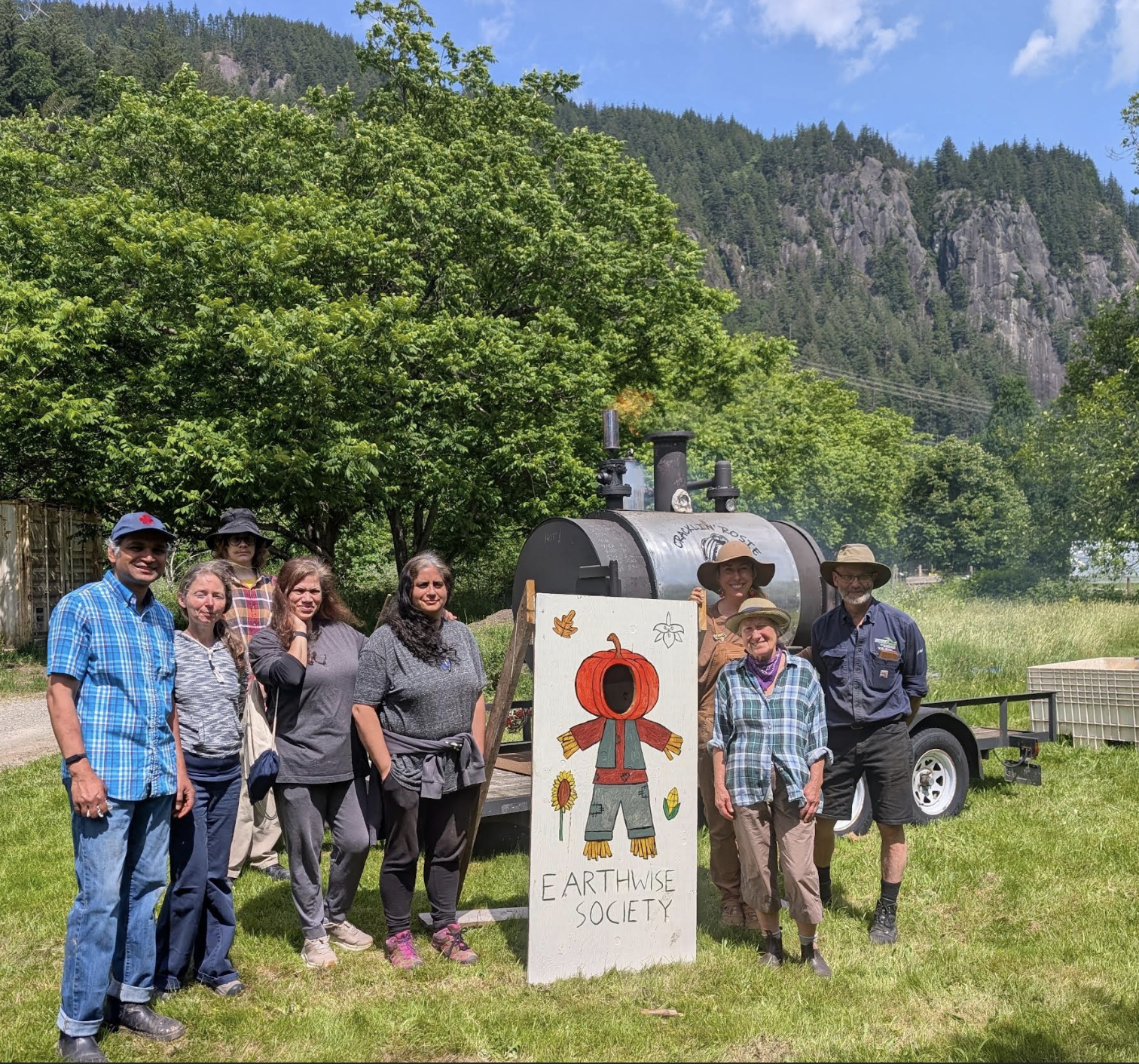
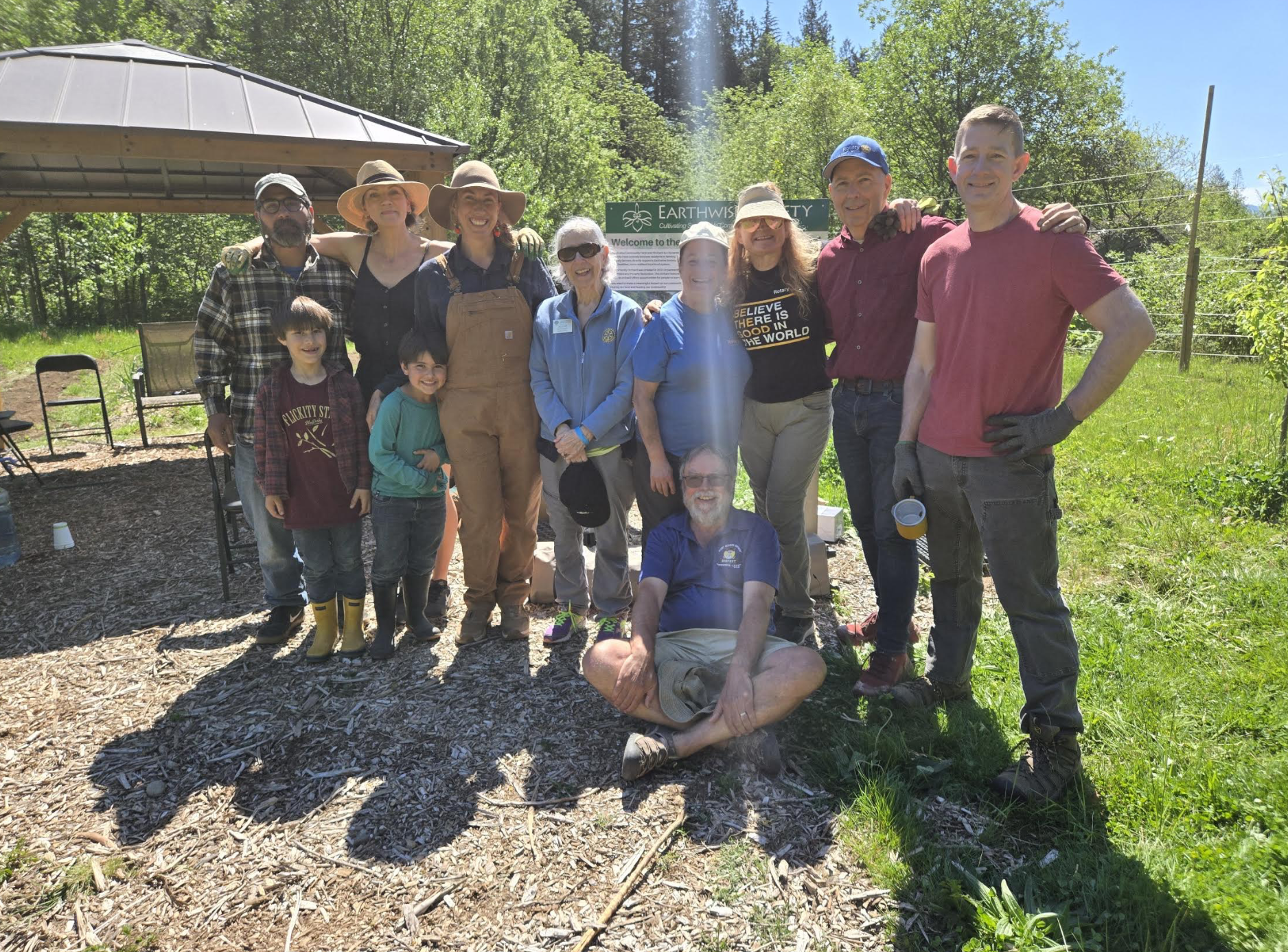
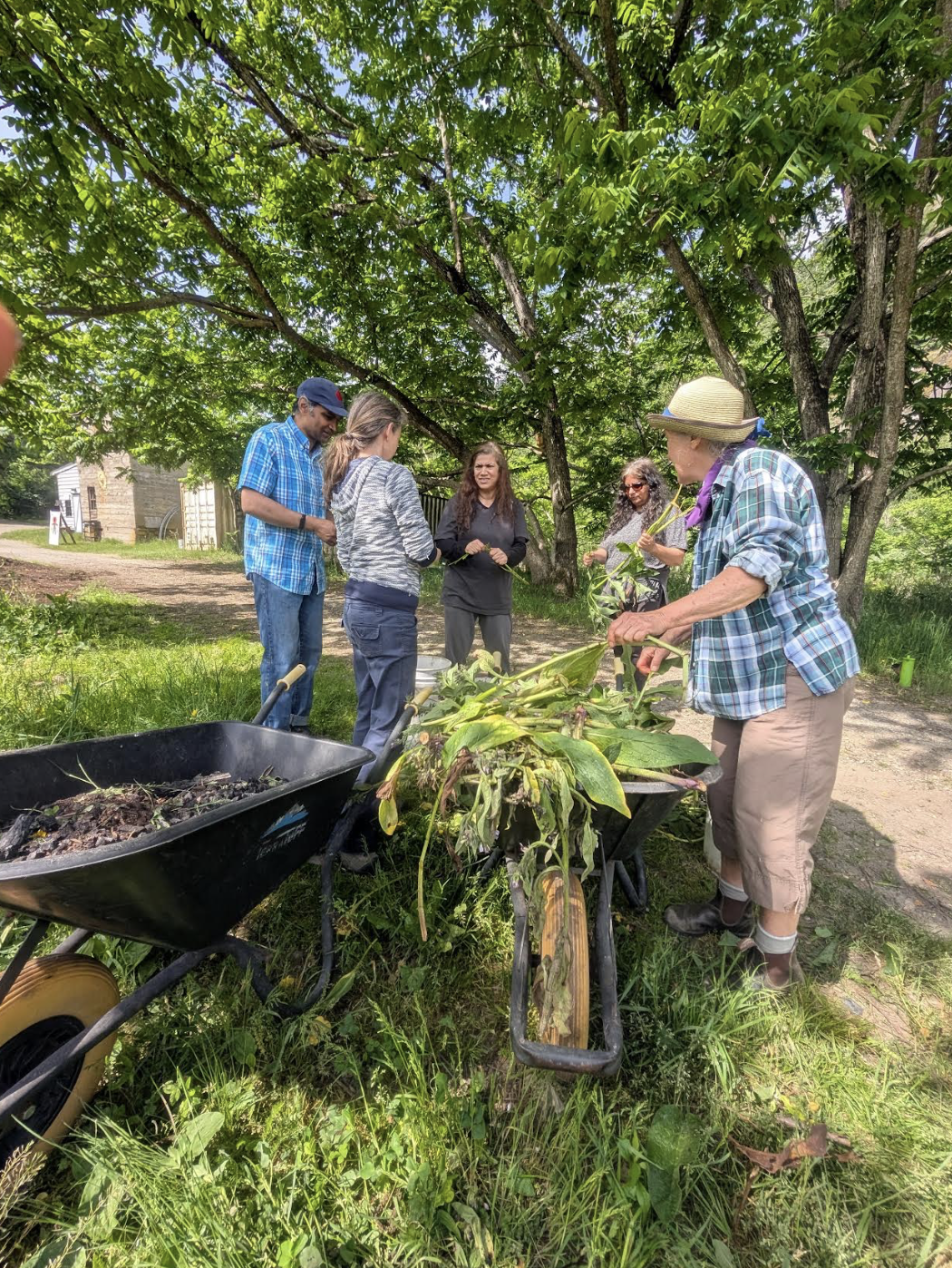
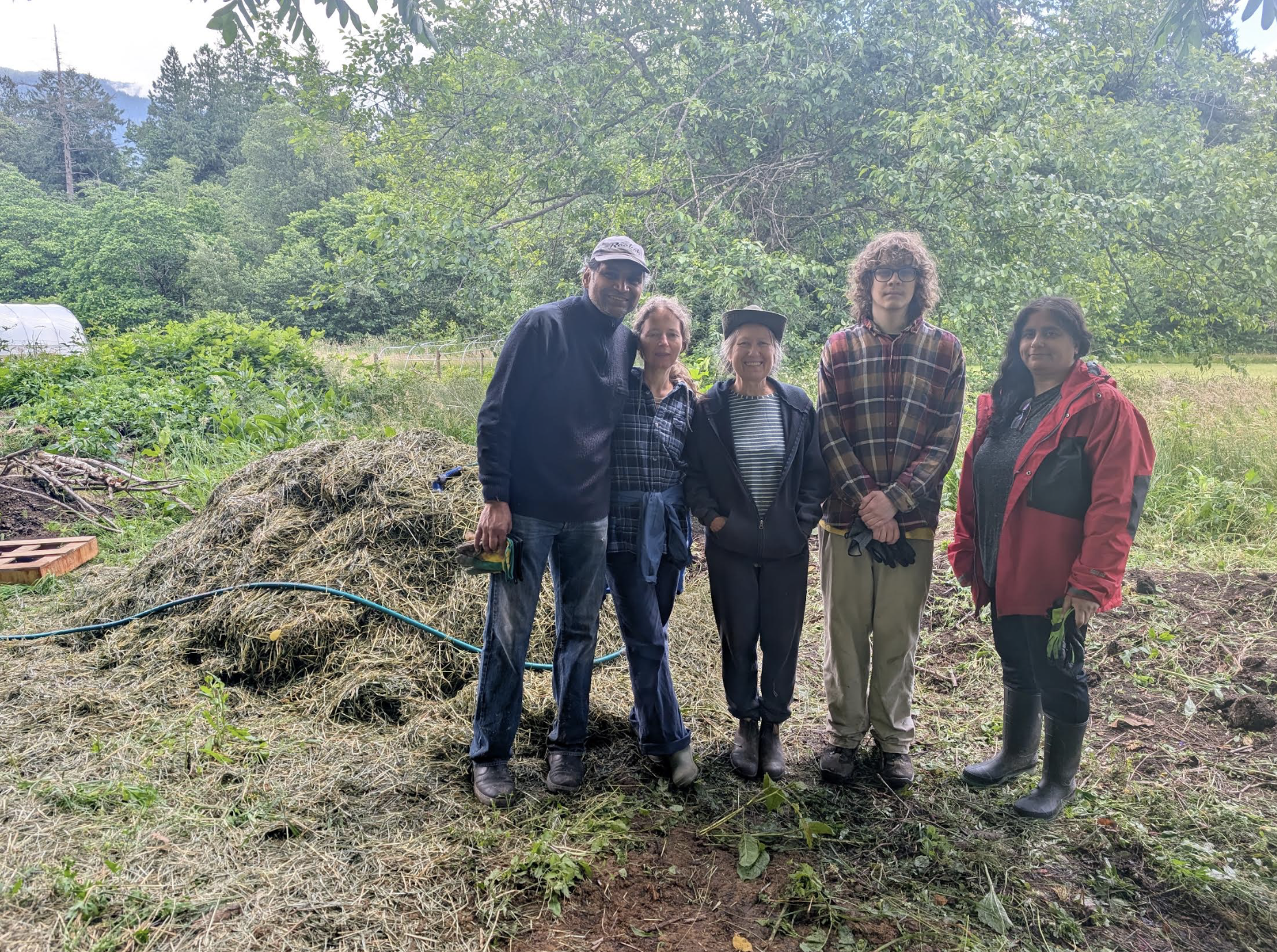
The farm became a place where different forms of knowledge, different generations and different institutions could meet. I developed partnerships around biochar with the University of the Fraser Valley, hot composting with Mother Earth Magic Community Garden, volunteer pathways through Rotary, and primary and high school education and activation, while building opportunities for people to learn through participation rather than simply being told about sustainability in a classroom.
The intention was to weave the farm into the wider community, connecting local organisations, schools, universities, volunteers and ecological initiatives so that the farm itself became a node within a larger living system. This is where the idea of Social Permaculture became particularly important to my practice. If permaculture asks us to observe relationships in an ecological system and design in ways that support life, then Social Permaculture asks us to look with the same care at the relationships between people, institutions, places and communities.
Who has something to contribute?
Who needs somewhere to learn?
What knowledge is already present?
What relationships are missing?
What could happen if these capacities were connected?
The farm becomes the place where these questions can be made practical. A university can bring research. A community garden can bring practical knowledge. Schools can bring young people. Volunteers can bring time, skills and energy. Farmers can bring experience. Local organisations can bring networks. Government can bring the investment that allows these relationships to become durable. This is precisely why I believe governments should be investing in community farms as part of the infrastructure of a regenerative agriculture transition.
We have become accustomed to funding infrastructure that we can easily measure in concrete, buildings, machinery and hectares, while overlooking the softer infrastructure that determines whether a community can actually adapt: relationships, practical knowledge, confidence, capability, participation and places where people can learn together. A community farm can hold all of these things at once. It can be a farm, a classroom, a commons, a meeting place, a demonstration site, a volunteer hub, a place of wellbeing and a living laboratory for the transition we keep saying we want.
Government funding should therefore not be limited to supporting agricultural production. It should invest in the places that are building the capability to make different agricultural futures possible.
The Earthwise project showed me that relatively modest interventions can begin to create a much larger ecology of participation when they are designed relationally.
The certificate was one thread and the partnerships were another. The volunteers, students, teachers, researchers and community organisations became further threads. Together they began to weave something more interesting than a program: a living community around a place.
This is the territory of Con Viv Design. Rather than designing another isolated project, we ask how we can activate the capacities already present within a living system, connect them to one another and create the conditions for something more capable to emerge. The farm was not simply somewhere to teach regenerative agriculture. It was an opportunity to demonstrate what agriculture could become when it is understood as part of the social, ecological and cultural life of a community.
The real harvest was not only what grew in the soil, but what began to grow between people…